

Special Reports are longer, often more technical, documents consisting of entire articles, government statements, and other documents relevant to security and peace in Northeast Asia.
NAPSNet, Special Reports
REDUCING OR EXPLOITING RISK? VARIETIES OF US NUCLEAR THOUGHT AND THEIR IMPLICATIONS FOR NORTHEAST ASIA

VAN JACKSON FEBRUARY 28, 2022 I. INTRODUCTION In this essay, Van Jackson argues that there is no monolithic US perspective” on nuclear weapons in Northeast Asia. Instead, he suggests, the propensity of US policymakers to use nuclear weapons is heavily conditioned by their political and ideological orientation that can described in four camps that he […]
Go to the articleAVOIDING NUCLEAR WAR IN THE TAIWAN STRAIT

SHERYN LEE FEBRUARY 23 2022 I. INTRODUCTION In this essay, Sheryn Lee assesses the prospect of conflict and nu…
Go to the articlePROSPECTS FOR DPRK’S NUCLEAR USE SCENARIOS AND DETERRENCE MEASURES OF THE US AND ROK ALLIANCE
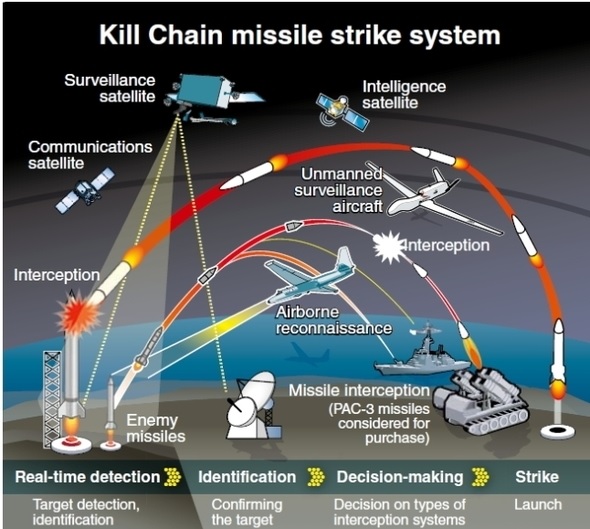
LEE SANGKYU FEBRUARY 17 2022 In this essay, Lee Sangkyu investigates four possible nuclear use cases by the DPRK based on its nuclear capabilities and nuclear strategy and countervailing US-ROK responses. Lee Sangkyu is a Republic of Korea (ROK) army officer and assistant professor at the Korea Military Academy (KMA). His main research focus are DPRK […]
Go to the articleCOUNTERFORCE DILEMMAS AND THE RISK OF NUCLEAR WAR IN EAST ASIA
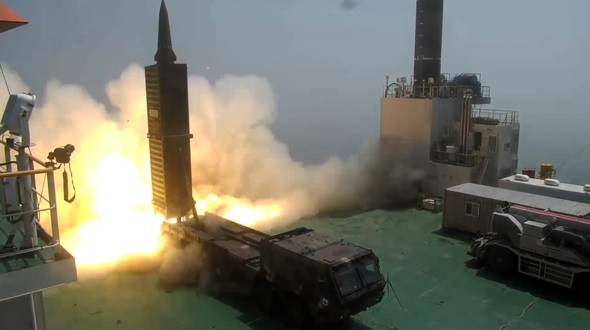
IAN BOWERS FEBRUARY 11 2022 I. INTRODUCTION Using geostrategic, operational, and technological factors as the basis for analysis, Ian Bowers contextualizes these and other developments and assesses the potential for nuclear war in East Asia in general and on the Korean Peninsula in particular. Ian Bowers is an Associate Professor at the Centre for Joint […]
Go to the articleNUCLEAR WEAPONS-FREE ZONES IN ASIA
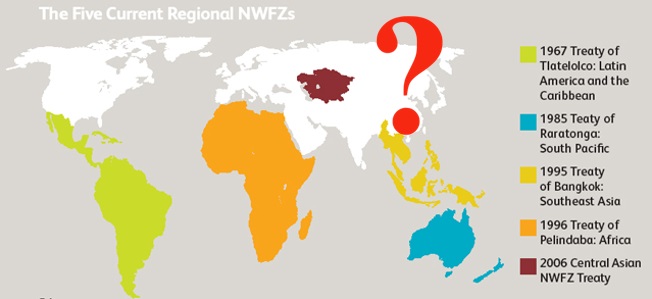
NYAMOSOR TUYA FEBRUARY 8 2022 I. INTRODUCTION In this essay, Nyamosor Tuya shows how these NWFZs emerged, compares their regulatory provisions, and gauges the near-term applicability of the NWFZ concept to Northeast Asia. Nyamosor Tuya served as Foreign Minister of Mongolia from 1998 to 2000 and is a Board Member of the Asia-Pacific Leadership Network […]
Go to the articleKOREAN PENINSULA NUCLEAR ISSUE: CHALLENGES AND PROSPECTS

ANASTASIA BARANNIKOVA FEBRUARY 5 2022 I. INTRODUCTION Anastasia Barannikova argues that the DPRK’s nuclear status has already been accepted as a part of the regional status quo, and attempts by other actors to change the DPRK’s nuclear status would be destabilizing to regional security. Anastasia Barannikova is a research fellow at ADM Nevelskoy Maritime […]
Go to the articlePOSSIBLE NUCLEAR USE CASES IN NORTHEAST ASIA: IMPLICATIONS FOR REDUCING NUCLEAR RISK

RECNA-NAGASAKI UNIVERSITY, ASIA PACIFIC LEADERSHIP NETWORK, NAUTILUS INSTITUTE JANUARY 28 2022 I. INTRODUCTION This report presents the results of year 1 of the Project on Reducing the Risk of Nuclear Weapons Use in Northeast Asia. In it, 21 plausible cases of first use of nuclear weapons involving the Korean peninsula. Each use case considers […]
Go to the articleNUCLEAR WEAPONS AND DELIVERY SYSTEMS THAT MIGHT BE IMPLICATED IN NUCLEAR USE INVOLVING THE KOREAN PENINSULA
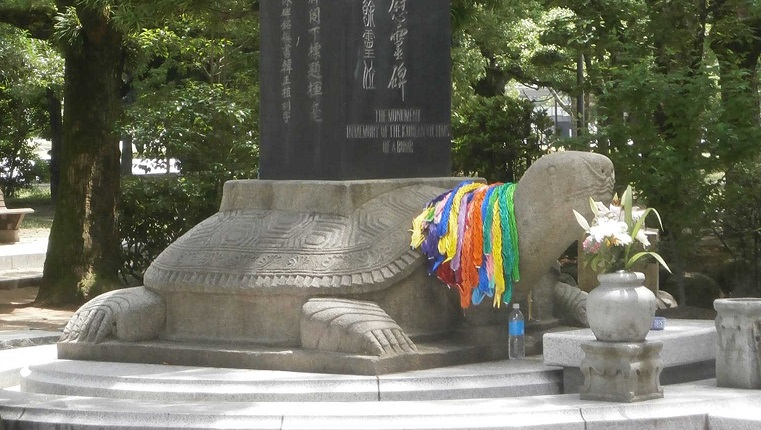
MATT KORDA JANUARY 20 2022 I. INTRODUCTION In this essay, Matt Korda presents a comprehensive account of the DPRK’s nuclear warheads, delivery systems, fuel types, and launch systems, followed by an analysis of the DPRK’s and the United States’ nuclear doctrine and potential nuclear use. Matt Korda is Senior Research Associate and Project Manager, Nuclear Information Project Federation of American Scientists. This […]
Go to the articleASYMMETRIC WMD THREATS: DPRK NUCLEAR, CYBER, AND BIO-CHEMICAL WEAPONS CAPABILITIES
SANG HYUN LEE JANUARY 17 2022 I. INTRODUCTION In this essay, Sang Hyung Lee assesses the evolution and state of play of DPRK’s current asymmetric capabilities. He argues that DPRK’s asymmetric forces consisting of increasingly-sophisticated nuclear weapons, ballistic missiles, bio-chemical weapons, and cyberattacks pose an existential threat to the ROK, undermine stability in Northeast Asia […]
Go to the articleTHE DELIBERATE EMPLOYMENT OF UNITED STATES NUCLEAR WEAPONS: ESCALATION TRIGGERS ON THE KOREAN PENINSULA
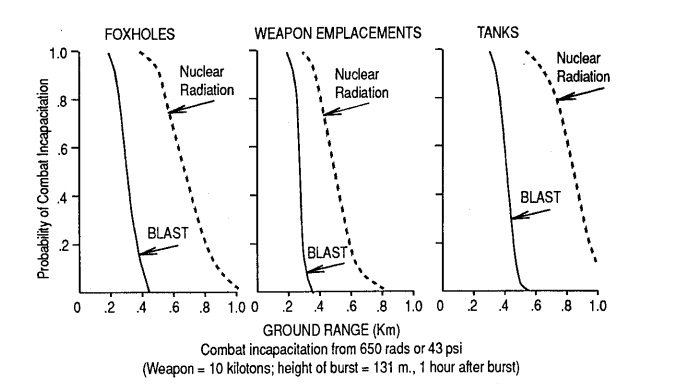
DARYL G. PRESS JANUARY 11 2022 I. INTRODUCTION In this essay, Daryl Press analyses scenarios of US use of nuclear weapons on the Korean Peninsula. He argues that the most likely route to US nuclear employment is linked to the DPRK’s own use of weapons of mass destruction (WMD), which includes use of nuclear, chemical, and biological weapons. Daryl Press is […]
Go to the article