

Special Reports are longer, often more technical, documents consisting of entire articles, government statements, and other documents relevant to security and peace in Northeast Asia.
NAPSNet, Special Reports
Prohibition of Dual Use Exports to North Korea: Items and Technology List
[IN CHINESE] This is a translatable version of the recently released 236 page list of items C…
Go to the articleTechnical Bulletin #59 on Prohibition of Dual Use Exports to North Korea
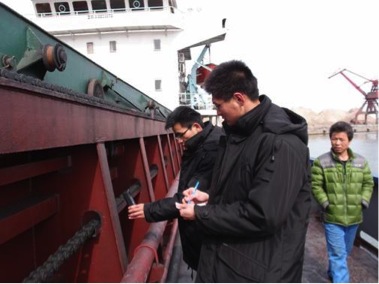
This Special Report takes an incisive look into Technical Bulletin #59 on Prohibition of Dual Use Exports …
Go to the articleThe Korean War and Sino–North Korean Friendship 朝鮮戦争と中朝友好関係
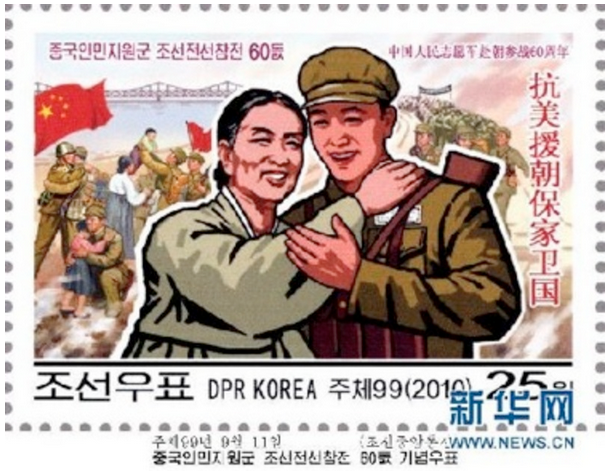
Heonik Kwon writes: China and North Korea have varying and even contradictory interests in the history of thei…
Go to the articleAn Ecological Framework for Promoting Inter-Korean Cooperation and Nuclear Free Future: a DMZ Peace Park
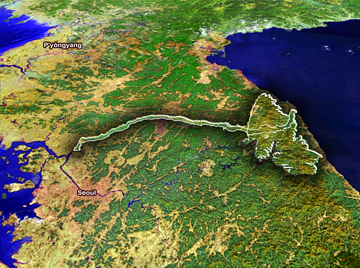
Hayes and Cavazos suggest that a DMZ Peace Park could be a valuable and attractive element of inter-Korean coo…
Go to the articleThoughts on China’s National Interests
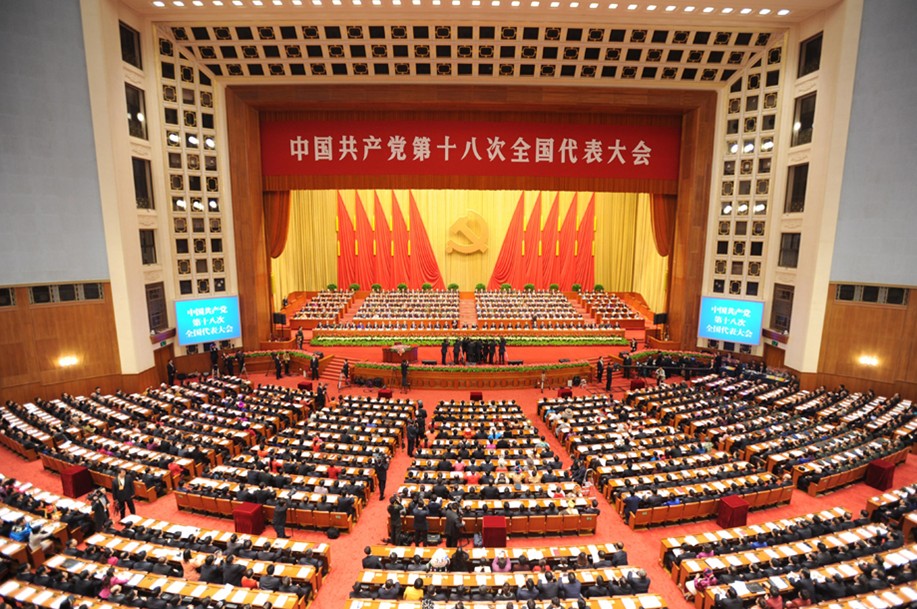
[IN CHINESE] Zhang Tuosheng discusses China’s national interests, especially China’s core interests as articul…
Go to the articleChallenges, Opportunities and Strategies
This is the second in a three part series of articles from Professor Zhang Tuosheng of the China Foundation fo…
Go to the articleDeep Borehole Disposal of Spent Fuel and Other Radioactive Wastes
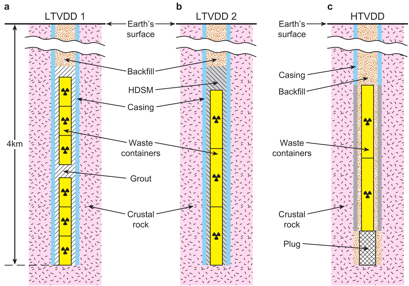
This report by Neil Chapman “provides a review of the status of international research and policy on the use of very deep boreholes (several kilometres in depth) for the disposal of radioactive wastes.” While reviewing numerous studies on deep borehole disposal of spent fuel, HLW and other radioactive wastes, Chapman finds that “a key gap continues to be a comprehensive operational and post-closure safety assessment of DBD.” He also finds that “the lack of full-scale trials of certain aspects of the technology (not necessarily at envisaged disposal depths) is holding up further development.”
Professor Neil Chapman is a senior scientist with 35 years’ experience in the scientific and strategic aspects of deep and shallow disposal of radioactive wastes, including provision of advice at the highest level to industrial and governmental organisations.
Go to the articleHow To Construct A New U.S.-China Great Power Relationship
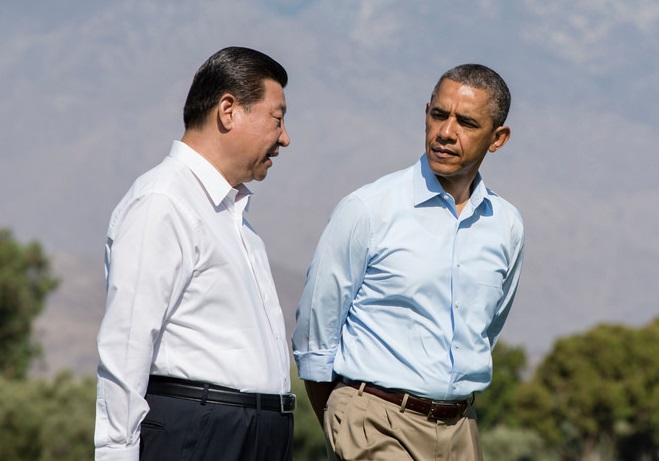
[IN CHINESE] Zhang Tuosheng discusses China’s national interests, especially China’s core interests as articul…
Go to the articleGreen Shoot: Abenomics and the 3rd Arrow
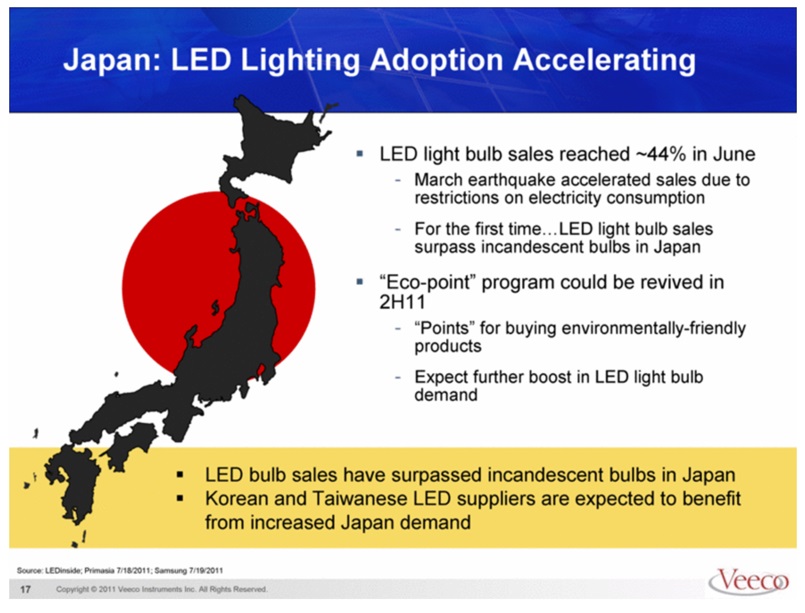
This article describes the impressive, resilience-targeted greening of Japan, evident in nationwide deployments of renewable energy, radical efficiency, and other core aspects of sustainability. These developments are already underway, and include public- and private-sector actors as well as community groups. The greening also has promising stamina due to being increasingly deeply inscribed in the fiscal, regulatory and other mechanisms of a rapidly emergent industrial policy.
Andrew DeWit is Professor in the School of Policy Studies at Rikkyo University and an Asia-Pacific Journal coordinator. With Iida Tetsunari and Kaneko Masaru, he is coauthor of “Fukushima and the Political Economy of Power Policy in Japan,” in Jeff Kingston (ed.) Natural Disaster and Nuclear Crisis in Japan.
Go to the article网络空间安全威胁与对策思考
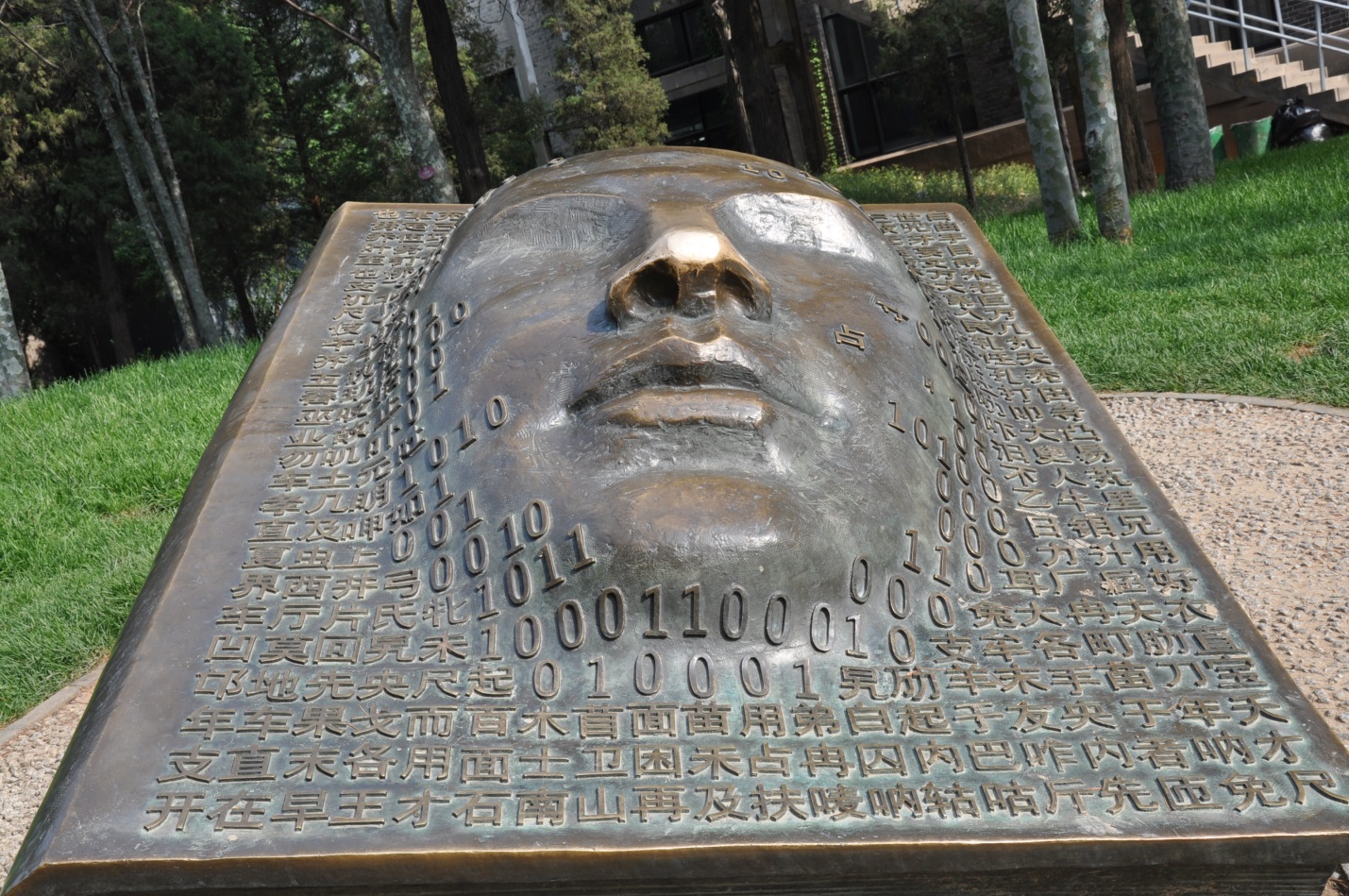
[Chinese Version] In this Special Report Senior Colonel (Retired) Fan Gaoyue argues that the …
Go to the article