

Special Reports are longer, often more technical, documents consisting of entire articles, government statements, and other documents relevant to security and peace in Northeast Asia.
NAPSNet, Special Reports
JAPAN SCENARIOS: VULNERABILITY TO TERRORISM OF NUCLEAR SPENT FUEL MANAGEMENT

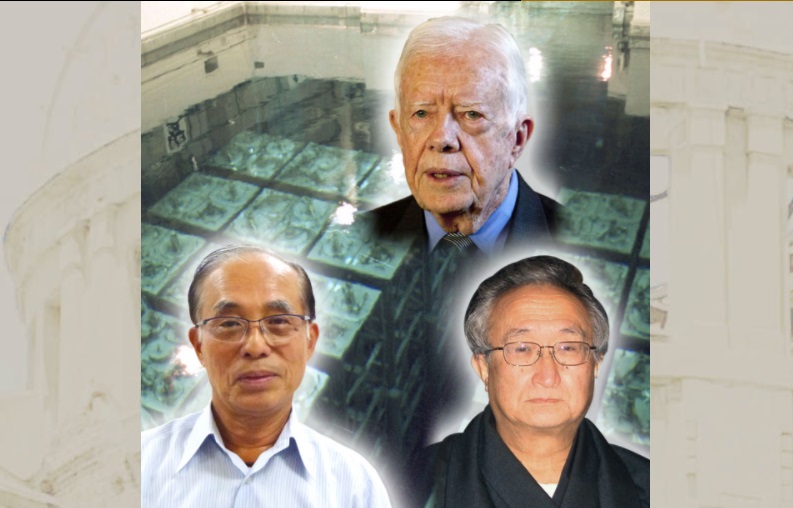
JOAN DIAMOND, PETER HAYES, DAVID VON HIPPEL August 11, 2017 I. INTRODUCTION In this essay, the authors present three bold, creative stories about possible non-state nuclear terrorist attacks involving nuclear spent fuel in Japan. These were: a) Frustrated North Koreans attack spent nuclear fuel in Japan; b) Frustrated civil society actors instigate spent fuel […]
Go to the articleWOULD THE MILITARY REALLY HAVE TO OBEY A TRUMP COMMAND TO FIRE A NUCLEAR WEAPON?
August 4, 2017 Anthony J. Colangelo I. INTRODUCTION In this essay Anthony Colangelo concludes: “An order to use a nuclear weapon instead of a conventional weapon when the same military advantage can be gained by either gives rise to a duty to reject that order. To do otherwise and follow the order would constitute a war […]
Go to the article使用済み核燃料の管理とテロへの脆弱性――日本の現状を直視する
小川和久 2017年7月21日 I. はじめに 小川和久・静岡県立大学特任教授 小川和久は本論考で、グローバル化した世界におけるテロリズムのリスクを減らすための、拒否的抑止を含むシステム的アプローチと、核…
Go to the articleVULNERABILITY TO TERRORISM IN NUCLEAR SPENT FUEL MANAGEMENT: AN UNSPARING LOOK AT JAPAN’S CURRENT SITUATION

Kazuhisa Ogawa July 21, 2017 I. INTRODUCTION In this essay, Kazuhisa Ogawa argues for a systematic approach to reduce the risk of global terrorism, including deterrence by denial, and painstaking measures to reduce the risk of nuclear terrorism. He points out that Japan’s official approach remains too formalistic and stove-piped and must be improved […]
Go to the articleSTRENGTHENING NUCLEAR SECURITY SYSTEM AGAINST INSIDER THEFT OF NUCLEAR MATERIAL

Masahiro Kikuchi July 14, 2017 I. INTRODUCTION In this essay, Mahiro Kikuchi concludes that: “Quantitative and timely evaluation system for detection of protracted theft by insider should be built in the NMAC as an essential part of its function. All people including not only the national competent authority but also top management and staffs […]
Go to the articleMETAL CASK STORAGE AS COMPARED WITH POOL STORAGE OF SPENT NUCLEAR FUEL IN JAPAN
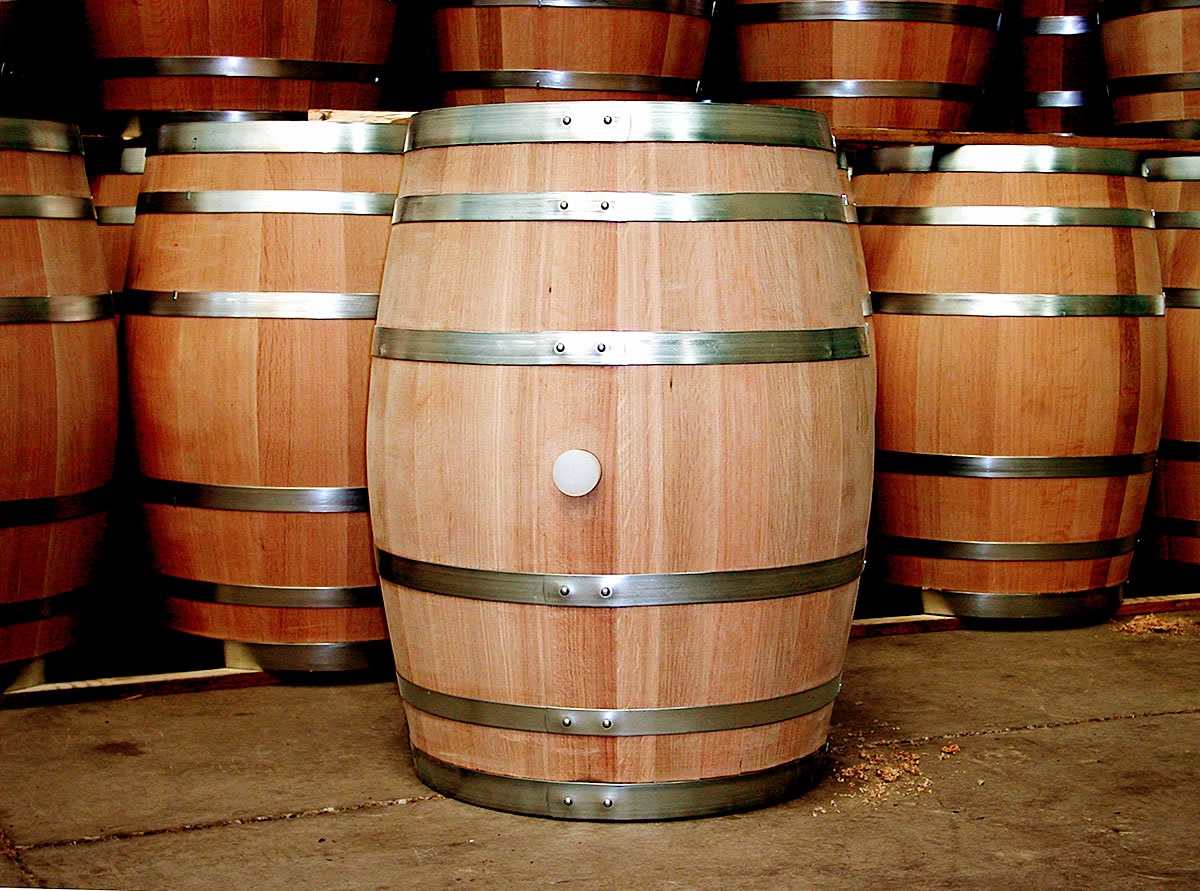
Toshiari Saegusa July 7, 2017 I. INTRODUCTION In this essay, Toshiari Saegusa reviews the evolution of nuclear spent fuel (SF) storage technology and in particular, the safety, economic, and security issues associated with use of dry cask storage for nuclear spent fuel. He concludes: “From technical and economic points of view, SF needs to be […]
Go to the articleJAPANESE ENERGY POLICIES AFTER FUKUSHIMA
Kae Takase June 23 2017 I. INTRODUCTION In this essay, after tracing the evolution of Japan’s energy policy and economy in the years after Fukushima, Kae Takase concludes: “The Japanese electricity sector will undergo dramatic and disruptive changes in the coming years. The future of nuclear reactor restarts, retail market deregulation, unbundling of transmission […]
Go to the articleNUCLEAR SECURITY DEFICIENCY: HISTORICAL PERSPECTIVES ON JAPAN’S FUEL-CYCLE POLICY
Masakatsu Ota June 15, 2017 I. INTRODUCTION In this essay Masakatsu Ota argues that driven by “other agendas,” the Abe government will continue to support nuclear power, including MOx fuel recycling in spite of the Fukushima disaster, albeit with important modifications. He concludes that “little attention has been paid to nuclear security concern about […]
Go to the articleNUCLEAR TERRORISM: HOW BIG IS THE RISK TO JAPAN
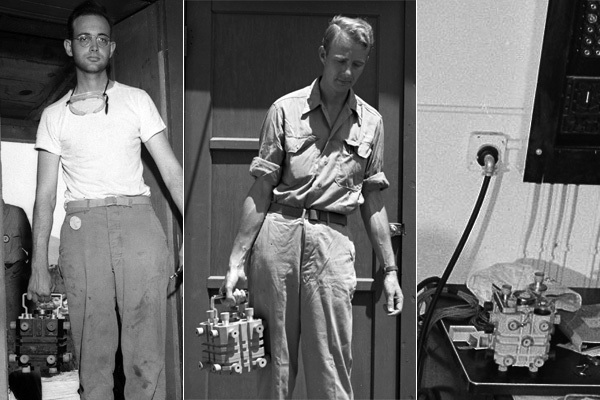
Matthew Bunn June 8, 2017 I. INTRODUCTION This essay by Matthew Bunn argues that nine straightforward steps are available for Japan to greatly reduce the risks of nuclear terrorism at reasonable cost. “These include minimizing the use of materials that could be used in nuclear weapons, and providing highly effective security and accounting wherever […]
Go to the articleJAPAN’S NEW REGULATORY STANDARDS FOR NUCLEAR POWER AND REPROCESSING PLANTS: TECHNICAL, SOCIAL AND POLITICAL ASPECTS
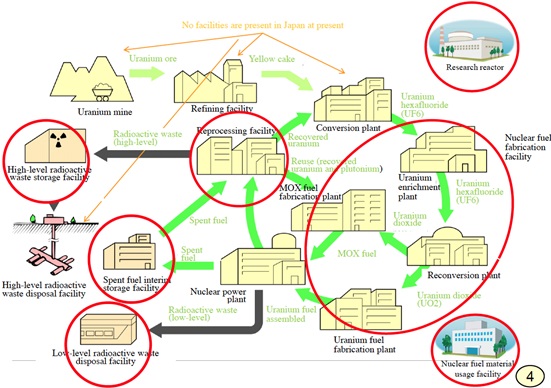
Tadahiro Katsuta June 1 2017 I. INTRODUCTION In this essay, Tadahiro Katsuta concludes that: “Security measures have been strengthened following the Fukushima accident. More detailed discussions on security at nuclear facilities that include addressing issues specific to Japan, however, are needed.” Tadahiro Katsuta is Associate Professor at Meiji University in Japan. This Special Report was […]
Go to the article