

Special Reports are longer, often more technical, documents consisting of entire articles, government statements, and other documents relevant to security and peace in Northeast Asia.
NAPSNet, Special Reports
OPTIONS FOR REMOTE INTERIM STORAGE OF NUCLEAR SPENT FUELS IN JAPAN
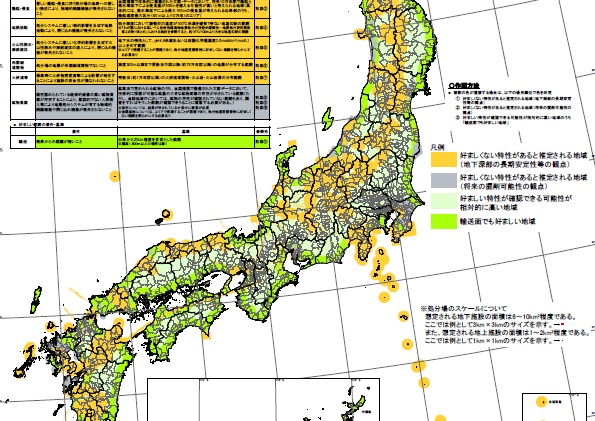
KAE TAKASE AND DAVID VON HIPPEL October 20, 2017 I. INTRODUCTION In this report, Kae Takase and David von Hippel review the history and current status of interim storage of spent nuclear fuel in Japan. They examine the obstacles to changing current policy, and note that transparency of policy formation related to spent fuel storage […]
Go to the articlePRESSING GLOBAL NUCLEAR SECURITY PROBLEMS AND CHINA’S RESPONSE

LIU CHONG OCTOBER 13, 2017 I. INTRODUCTION In this essay, Liu Chong concludes that in addition to strengthen…
Go to the articleDETERRING NUCLEAR TERRORISM: INSIDER THREATS TO NUCLEAR FACILITIES
MARTHA CRENSHAW October 6, 2017 I. INTRODUCTION In this essay, Martha Crewshaw concludes that “the difficulties associated with meeting the requirements for a successful strategy of deterrence suggest that governments and the nuclear power industry would be wise to emphasize prevention of the full range of insider, outsider, and combined insider-outsider terrorist threats from […]
Go to the articleCURRENT STATUS OF THE INSIDER THREAT IN THE NUCLEAR INSTALLATIONS IN THE ROK
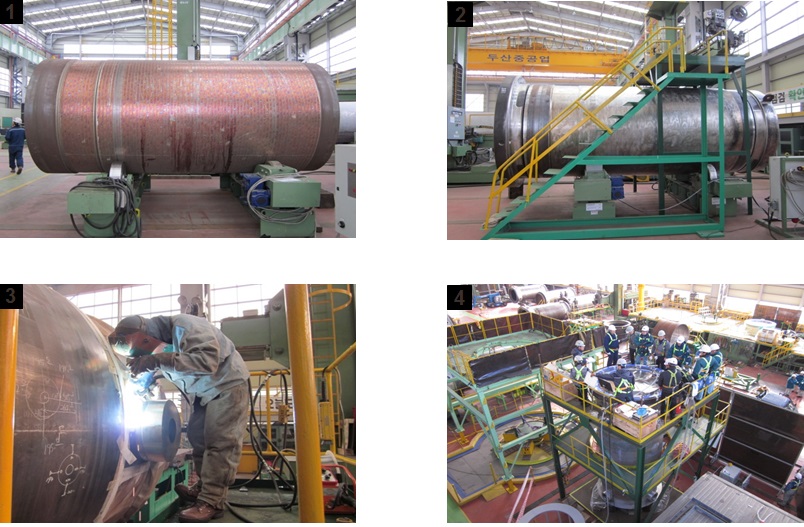
YONGSOO HWANG SEPTEMBER 29, 2017 In this essay, Yongsoo Hwang concludes that the “proper measures to prepare for the insider threat are not yet fully introduced for many countries. In fact it is not easy to detect, delay, and respond to insider threats in a timely manner… Nonetheless, iterative approaches throughout planning, drills, and assessment […]
Go to the articleREDUCING RISK OF NUCLEAR TERRORISM AND SPENT FUEL VULNERABILITY IN EAST ASIA

板橋 功(Isao ITABASHI) 2017年9月22日 I. はじめに 板橋功氏は、日本の東京にある公益財団法人公共政策調査会研究センター長であり、主任分析官である。板橋氏は、原子力規制委員会核セキュリティに関する…
Go to the articleREDUCING RISK OF NUCLEAR TERRORISM AND SPENT FUEL VULNERABILITY IN EAST ASIA
ISAO ITABASHI September 22, 2017 I. INTRODUCTION In this essay, Isao Itabashi concludes that while shortfalls in the new trustworthiness system are evident, some key improvements have been made since the Fukushima accident and that: “In the future the government must be in the lead to establish a more effective trustworthiness system by utilizing privacy […]
Go to the articleSANCTIONS ON NORTH KOREAN OIL IMPORTS: IMPACTS AND EFFICACY
Peter Hayes and David von Hippel September 9, 2017 I. INTRODUCTION In this essay, Peter Hayes and David von Hippel analyze the impact of Chinese energy sanctions on the DPRK in response to its missile and nuclear testing. They conclude: “The DPRK could quickly cut its non-military use by about 40% of its annual oil use […]
Go to the articleNUCLEAR TERRORISM AND SPENT FUEL STORAGE
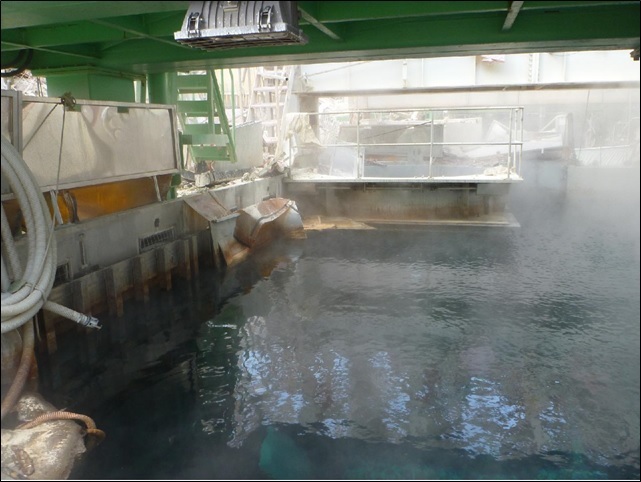
STEVEN AOKI AUGUST 31, 2017 I. INTRODUCTION This essay by Steven Aoki suggests that “An attack on a reactor spent fuel pool aimed at creating a loss-of-coolant accident and subsequent radiation release may not be the most likely form of terrorism, but the potentially catastrophic consequences requires responsible regulators and government officials to think […]
Go to the articleA VULNERABILITY RELATED TO DRY STORAGE OF SPENT FUELS
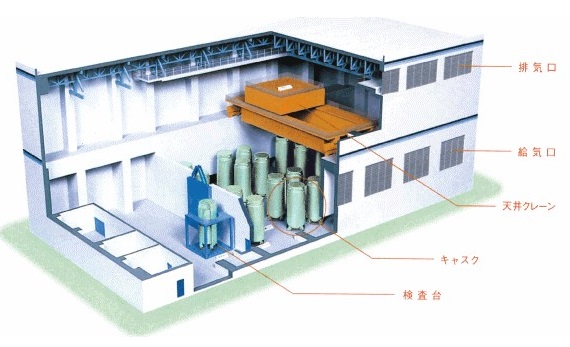
Masahiro Kikuchi August 23, 2017 I. INTRODUCTION In this essay, Masahiro Kikuchi examines possibly effective barriers to a terrorist attack using anti-tank weapon on spent fuel stored in dry casks. He concludes that: “the facility operator should prepare an appropriate barrier to block the terrorist intrusion and an appropriate alert system for early detection […]
Go to the articleCONCERTED STRATEGIES FOR MANAGEMENT OF SPENT NUCLEAR FUEL IN NORTHEAST ASIA

David F. von Hippel and Peter Hayes August 17, 2017 I. INTRODUCTION In this essay, David von Hippel and Peter Hayes conclude that: “management of spent fuel will, or should, if incentives are properly structured, be decided by non-economic criteria, actual and perceived radiological risk from spent fuel management approaches becomes a more critical factor […]
Go to the article