Daily Report Archives
Established in December 1993, the Nautilus Institute’s *N*ortheast *A*sia *P*eace and *S*ecurity *N*etwork (NAPSNet) Daily Report served thousands of readers in more than forty countries, including policy makers, diplomats, aid organizations, scholars, donors, activists, students, and journalists.
The NAPSNet Daily Report aimed to serve a community of practitioners engaged in solving the complex security and sustainability issues in the region, especially those posed by the DPRK’s nuclear weapons program and the threat of nuclear war in the region. It was distributed by email rom 1993-1997, and went on-line in December 1997, which is when the archive on this site begins. The format at that time can be seen here.
However, for multiple reasons—the rise of instantaneous news services, the evolution of the North Korea and nuclear issues, the increasing demand for specialized and synthetic analysis of these and related issues, and the decline in donor support for NAPSNet—the Institute stopped producing the Daily Report news summary service as of December 17, 2010.
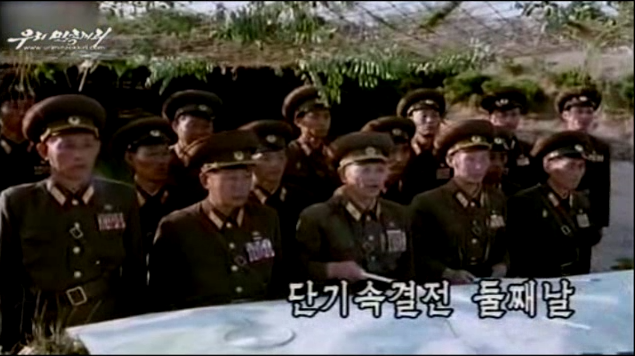
In this report, Peter Hayes and Roger Cavazos “examine one North Korean account of the limited war it might fight to occupy Seoul, including the use of nuclear weapons or other unspecified WMD to neutralize American forces. We find that while this account makes for fine propaganda, when viewed through the lens of conventional capabilities, the plan is mainly smoke and mirrors. Nonetheless, if this account is indicative of the belief system of North Korea’s leadership, then it is truly alarming. It suggests that North Korea still adheres to military strategies and tactics that failed in the Korean War, and would fail again, only faster, should war break out in Korea. Moreover, it suggests a fantastic belief that somehow early escalation to nuclear war could make possible a conventional pre-emptive attack on Seoul.”
Peter Hayes is director of Nautilus Institute and Professor of International Relations at RMIT University in Melbourne. Roger Cavazos is an Associate of Nautilus Institute and retired US military intelligence officer.
Go to the article
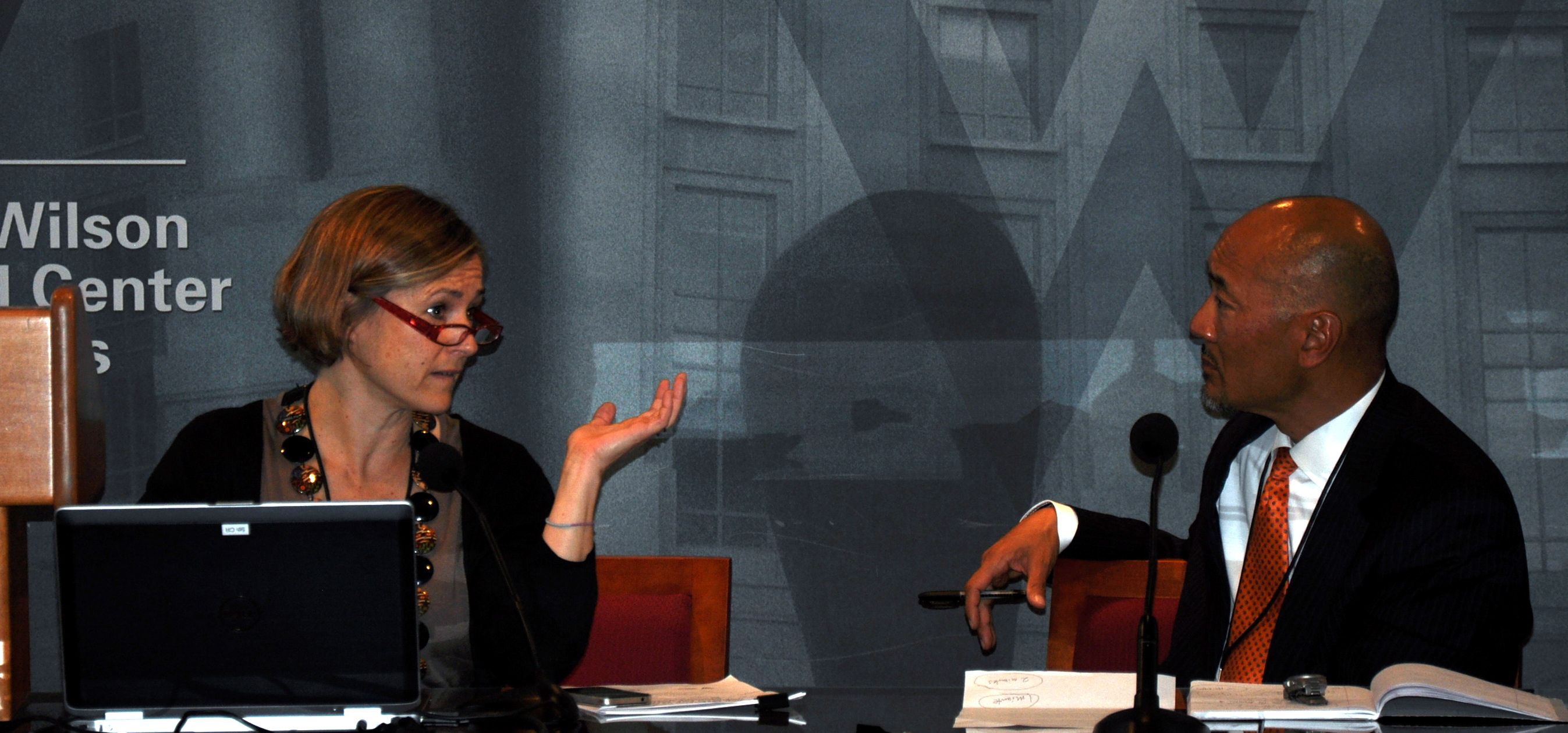
Squassoni writes: “This memorandum explores the contours of nuclear energy in the DPRK as part of a comprehensive peace settlement. It assumes: a) DPRK must rejoin NPT as a non-nuclear weapon state and must ratify the Additional Protocol; b) DPRK is likely to press for the right to nuclear power in any settlement; c) limitations may not be equally applied across all non-nuclear-weapon states (vice Halperin paper); and d) there are no guarantees against proliferation, even in a unified Korea.”
Sharon Squassoni is a Senior Fellow & Director of the Proliferation Prevention Program at the Center for Strategic & International Studies.
This report was originally presented at the New Approach to Security in Northeast Asia: Breaking the Gridlock workshop.
Go to the article
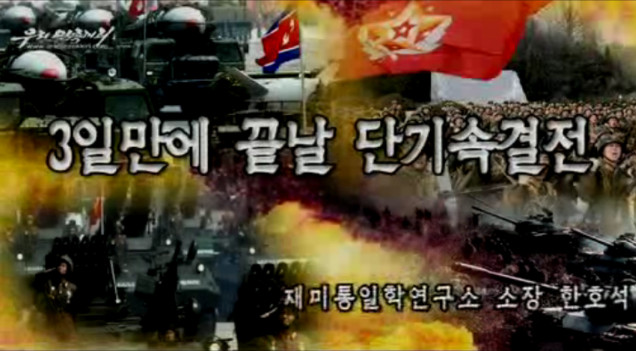
Peter Hayes and Roger Cavazos write: “We do not believe that North Korea intends to attack South Korea, pre-emptively or otherwise, in the current cycle of threat projection. However, miscalculation, accidents, or “wild cards” can all activate an unstoppable chain of events that lead to uncontrollable escalation…Talk is cheap, valuable, and entails no concessions. In the current charged environment, the only way to obtain badly needed information about North Korean intentions and therefore, the real level of threat, is to talk to them.”
Peter Hayes is director of Nautilus Institute and Professor of International Relations at RMIT University in Melbourne. Roger Cavazos is an Associate of Nautilus Institute and retired US military intelligence officer.
Go to the article
Nikhil Desai writes: “a new cult – No Carbo(n) promised that if only these people gave up their carbon emitting ways, they will prove their devotion to the new cult. Climate change will be averted and they will not have to migrate to the white people’s lands.”
Nikhil Desai is the Energy Security contributor for the NAPSNet Weekly report.
Go to the article

Sheila Smith writes: “The proposal for A New Approach to Security in Northeast Asia: Breaking the Gridlock offers a fresh perspective on the diplomatic framework for negotiating peace and stability for Northeast Asia. This memo responds to this initiative from the perspective of Japanese security and the shared strategic goals of the U.S.-Japan alliance.”
Sheila A. Smith is a Senior Fellow for Japan Studies at the Council on Foreign Relations.
This report was originally presented at the New Approach to Security in Northeast Asia: Breaking the Gridlock workshop held on October 9th and 10th, 2012 in Washington, DC.
Go to the article
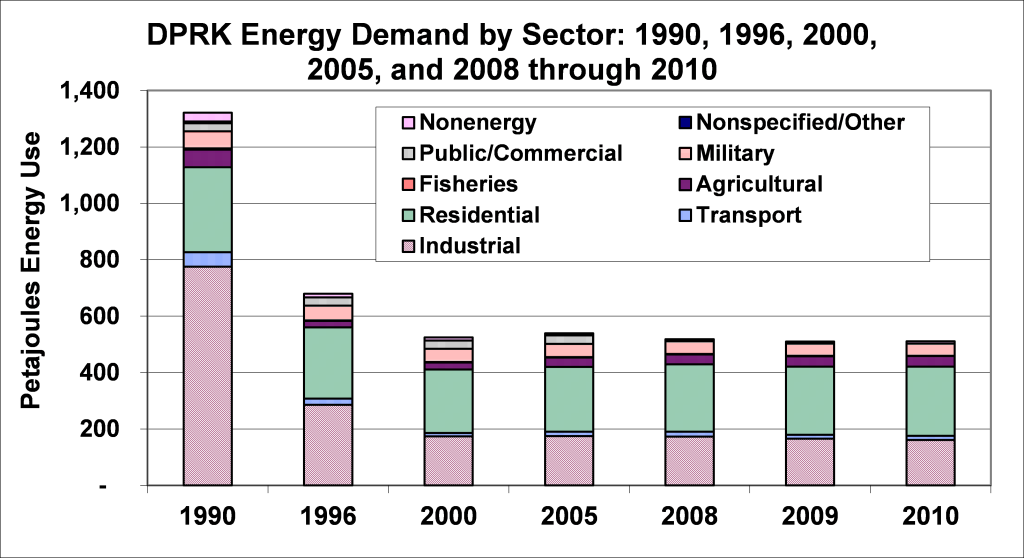
David F. von Hippel and Peter Hayes 1 April 2013 Nautilus Institute This paper was prepared with support from the Hanyang University Energy, Governance and Security (EGS) Center as EGS Working Paper Number 2014-04, available as http://www.egskorea.org/common/download.asp?downfile=2014-04_Working_Paper.pdf&path=board Abstract The term “energy security” has typically meant little more than securing access to sufficient quantities of fossil fuels […]
Go to the article
Saleem Janjua writes that “Adaptation to climate change is increasingly becoming a policy priority for government and private sector organizations across the globe, partly driven by a rationale that successful adaptation will reduce the consequences of climatic impacts that are unavoidable….However, grasping such an opportunity through policy intervention is a major challenge, particularly in the urban sector in developing countries.”
Saleem Janjua is the Climate Change Adaptation contributor for the NAPSNet Weekly report.
Go to the article

