Daily Report Archives
Established in December 1993, the Nautilus Institute’s *N*ortheast *A*sia *P*eace and *S*ecurity *N*etwork (NAPSNet) Daily Report served thousands of readers in more than forty countries, including policy makers, diplomats, aid organizations, scholars, donors, activists, students, and journalists.
The NAPSNet Daily Report aimed to serve a community of practitioners engaged in solving the complex security and sustainability issues in the region, especially those posed by the DPRK’s nuclear weapons program and the threat of nuclear war in the region. It was distributed by email rom 1993-1997, and went on-line in December 1997, which is when the archive on this site begins. The format at that time can be seen here.
However, for multiple reasons—the rise of instantaneous news services, the evolution of the North Korea and nuclear issues, the increasing demand for specialized and synthetic analysis of these and related issues, and the decline in donor support for NAPSNet—the Institute stopped producing the Daily Report news summary service as of December 17, 2010.

by Peter Hayes and Chung-in Moon 28 July 2014 Banner image: Generated by Nautilus staff using Dalle AI. I. SUMMARY Relative to the status quo of relying on US nuclear extended deterrence, the ROK developing and deploying its own nuclear weapons, or, arranging for redeployment of US nuclear weapons into Korea, are fantastic ideas. The latter options would reduce […]
Go to the article
피터 헤이즈 문정인 2014 월 28 요약 미국의 핵 확장 억지력에 의존하는 현 상태를 유지하기 보다는 한국이 자체적인 핵 개발에 나섬으로써 핵 무기를 보유한다거나 미국의 핵 무기를 한국에 재배치하자는 생각은 타당치 않다. 이는 북한의 선제 핵 공격에 대한 미국의 보복 대응의 신뢰도를 떨어뜨리고, 미국이 한국에 제공하고 있는 재래식 전력에 의한 억지력의 견고함을 해치는 결과를 가져올 […]
Go to the article
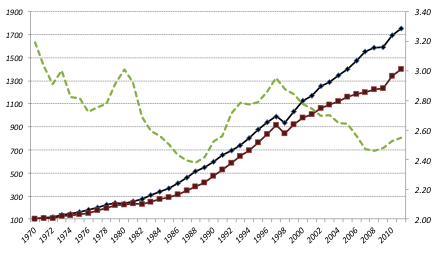
by Woo Jin Chung Korea Energy Economics Institute, Republic of Korea 22 July 2014 I. ABSTRACT This paper presents the status of energy supply and demand in the Republic of Korea (ROK), as well as a description of current and recent policies related to the future of the Korean energy sector. The paper outlines the past […]
Go to the article
DETERRENCE: Russian Drills Aim at Potential Nuclear Disaster Response – Ministry DPRK: S. Korea to Provide 3 Billion Won in Aid to N. Korea ENERGY SECURITY: The Big Green Test – Conservatives and Climate Change GOVERNANCE AND CIVIL SOCIETY: Pathways to Deep Decarbonisation: Interim 2014 Report CLIMATE CHANGE ADAPTATION: A Geospatial Dataset for U.S. Hurricane Storm Surge and Sea-level Rise […]
Go to the article
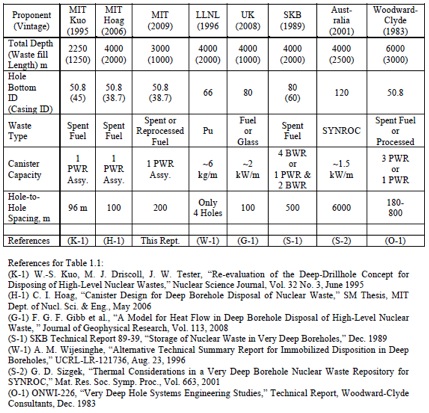
by Jungmin Kang Exploration of the Potential for Deep Borehole Disposal of Nuclear Wastes in South Korea: An Update[1] 1 July 2014 Visiting Professor, KAIST I. executive summary Since the Republic of Korea’s first nuclear power reactor was placed into operation in 1978, twenty three reactors have been placed into operation, with a total capacity of 20.7 gigawatts […]
Go to the article
DETERRENCE: How the Army Should Pivot to Asia GOVERNANCE AND CIVIL SOCIETY: Japanese Report on the Kono Statement Draws Ire from Seoul CLIMATE CHANGE ADAPTATION: Location Security and Environmental-Induced Displacement: A Case Study of the Riverine Islands in Bangladesh ENERGY SECURITY: Obama on Obama on Climate AUSTRAL PEACE AND SECURITY: Australia-US Defence Deal: What it Means DETERRENCE: How the Army Should […]
Go to the article
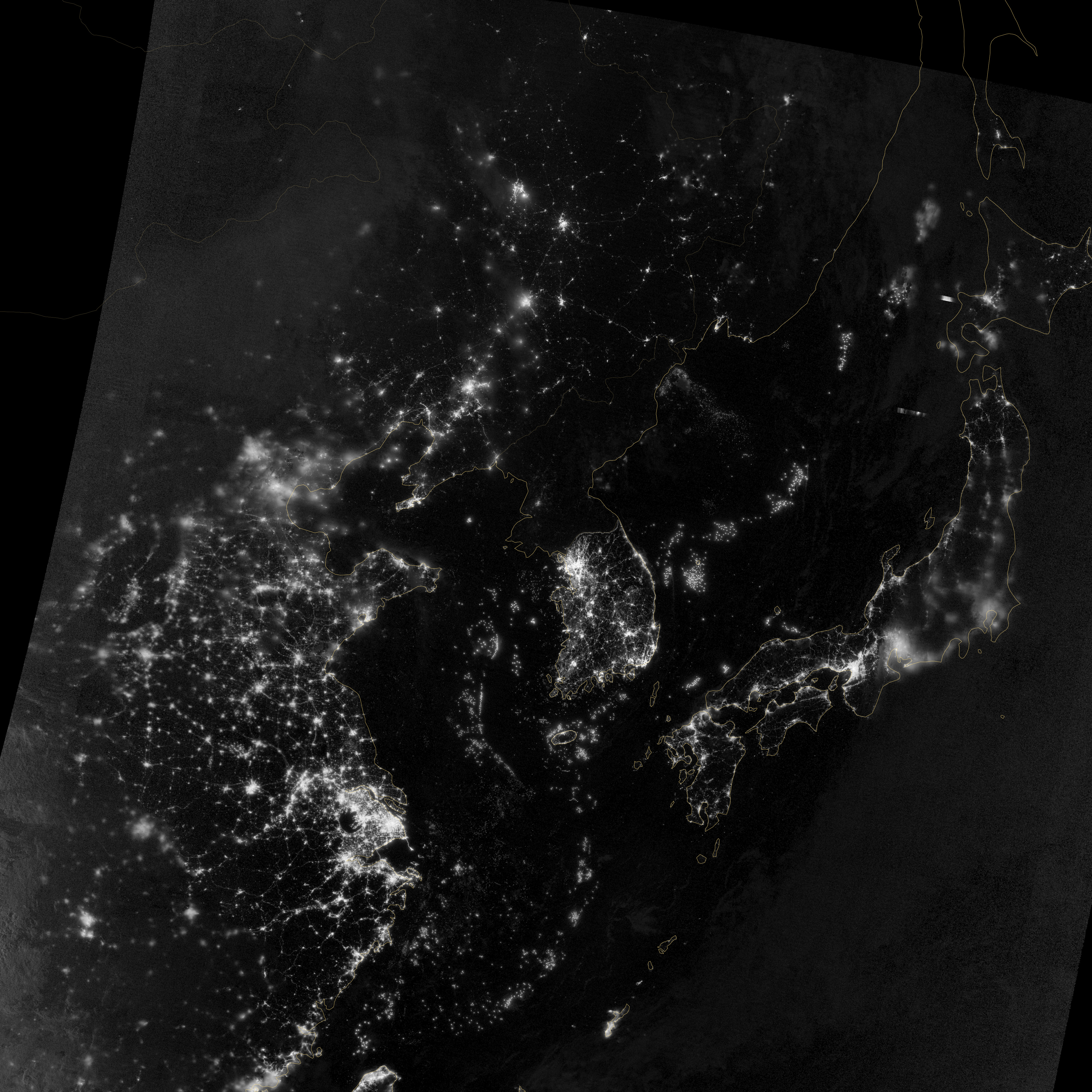
by David F. von Hippel and Peter Hayes The Nautilus Institute for Security and Sustainability 24 June 2014 Prepared for the International Seminar on Political Prospects of Korean Peninsula and Strategies for North-South Korean Energy Cooperation on 7-8 November 2013, Yeoncheon, Republic of Korea. I. INTRODUCTION During the decade of the 1990s, and continuing into the second […]
Go to the article