

In Paik Haksoon’s inaugural NAPSNet Special Report and Nautilus’ first Korean-language Special Report, Dr Paik…
Tag Archives: North Korea
Kim Jong-un’s “Fresh Leap Forward” 2014 New Year Speech
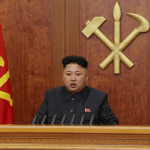
Peter Hayes and Roger Cavazos analyze Kim Jong-un’s 2014 New Year’s speech. They find that the speech provide…
Nautilus Peace and Security Weekly – 24 October 2013
- DETERRENCE: A New Use for Nuclear Weapons: Hunting Rogue Asteroids
- DPRK: N. Korea Holds Rare Meeting of Military Officers
- ENERGY SECURITY: UN Warms to Idea of Using Giant Mirrors in Fight Against Climate Change Effects
- GOVERNANCE AND CIVIL SOCIETY: Park Seeks a New Image for Her Father’s Saemaul
- CLIMATE CHANGE ADAPTATION:
- AUSTRAL PEACE AND SECURITY: Re-thinking Colonialism to Prepare for the Impacts of Rapid Environmental Change
Nautilus Peace and Security Weekly – 10 October 2013
DETERRENCE: Scary Default Scenarios Based on Faulty Treasury Department Release DPRK: North Korea threatens preemptive attack on U.S., South Korea ENERGY SECURITY: IPCC Issues Stark Warning Over Global Warming: Call to ‘Stop Dithering About Fossil Fuel Cuts’ as Expert Panel Warns Entire Globe is Affected GOVERNANCE AND CIVIL SOCIETY: State Clumsy in Managing Conflicts CLIMATE CHANGE ADAPTATION: Understanding the Adaptive […]
Nautilus Peace and Security Weekly – 3 October 2013
DETERRENCE: Park Pledges Strong Defense To Render N. Korean Nukes Useless DPRK: Intergovernmental Consultative Committee Meeting Between Mongolia And North Korea ENERGY SECURITY: UN Climate Panel Stresses Solidity of New Report on Global Warming GOVERNANCE AND CIVIL SOCIETY: Popular Ex-PM Koizumi Comes Out Against Nuclear Power CLIMATE CHANGE ADAPTATION: Climate Change Adaptation in the Boardroom AUSTRAL PEACE AND SECURITY: ALP Nuclear […]
China Goes Public on North Korea, Foreign Policy, Daniel W. Drezner
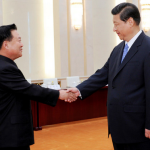
In this case, even the publication of the sanctions list itself is something of an intelligence find for the United States — as Perlez notes:
“The list gives a good insight into what China knows about the missile and bomb development of North Korea,” said [Roger] Cavazos, the former Army intelligence officer who now works as an analyst at the Nautilus Institute, which studies international security issues. “From what I can tell, it lays out almost all China knows about North Korea’s missile and nuclear program.”
China Ban on Items for Nuclear Use to North Korea May Stall Arms Bid, New York Times, Jane Perlez
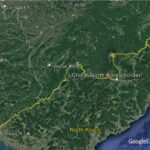
Roger Cavazos, a former United States Army intelligence officer who specialized in China’s military, said an initial reading of the long list of banned items suggested that China was targeting important aspects of North Korean nuclear programs, including the ceramics needed to protect a warhead as it re-entered the earth’s atmosphere atop a missile.
Prohibition of Dual Use Exports to North Korea: Items and Technology List
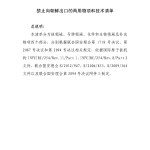
[IN CHINESE] This is a translatable version of the recently released 236 page list of items C…
Technical Bulletin #59 on Prohibition of Dual Use Exports to North Korea
This Special Report takes an incisive look into Technical Bulletin #59 on Prohibition of Dual Use Exports …
Thinking About The Thinkable: DPRK Collapse Scenarios Redux
In the following Policy Forum Peter Hayes analyzes Preparing for the Possibility of a North Korean Collapse by RAND analyst Bruce Bennett. Hayes states “Bennett’s report is salutary reading and should be read widely, including in Pyongyang. Anyone who hopes (as against feels obliged to prepare) for DPRK collapse or who thinks that “bringing it on” is likely to incur less costs for the most vulnerable populations than transforming the DPRK inside-out as-fast-as-possible via engagement aimed at non-collapse should read chapter 3 on the horrendous humanitarian consequences of a collapse and possible war.”
Peter Hayes is Professor of International Relations, School of Global, Urban and Social Studies, Royal Melbourne Institute of Technology University, Australia and Director, Nautilus Institute.