Daily Report Archives
Established in December 1993, the Nautilus Institute’s *N*ortheast *A*sia *P*eace and *S*ecurity *N*etwork (NAPSNet) Daily Report served thousands of readers in more than forty countries, including policy makers, diplomats, aid organizations, scholars, donors, activists, students, and journalists.
The NAPSNet Daily Report aimed to serve a community of practitioners engaged in solving the complex security and sustainability issues in the region, especially those posed by the DPRK’s nuclear weapons program and the threat of nuclear war in the region. It was distributed by email rom 1993-1997, and went on-line in December 1997, which is when the archive on this site begins. The format at that time can be seen here.
However, for multiple reasons—the rise of instantaneous news services, the evolution of the North Korea and nuclear issues, the increasing demand for specialized and synthetic analysis of these and related issues, and the decline in donor support for NAPSNet—the Institute stopped producing the Daily Report news summary service as of December 17, 2010.
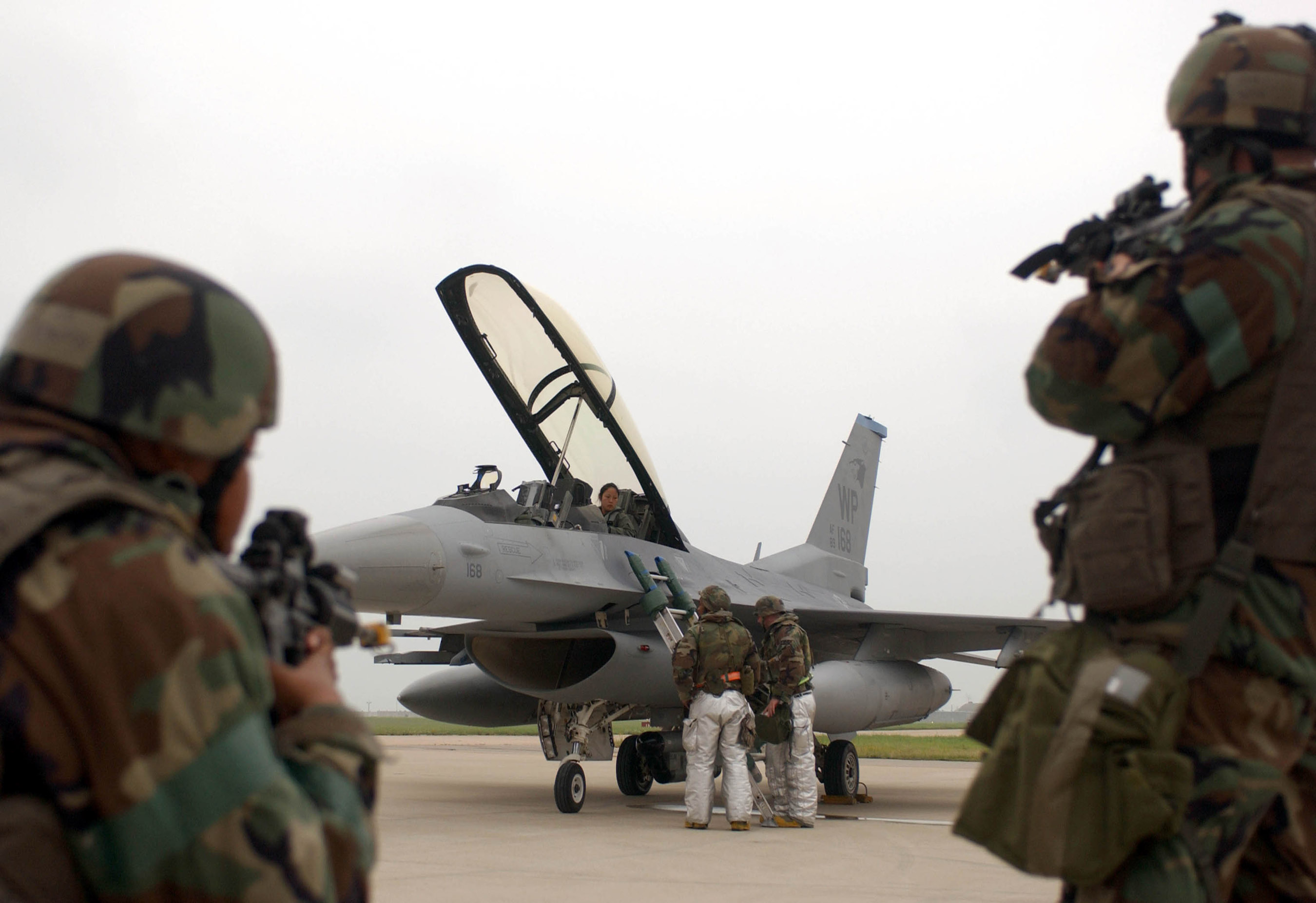
Cheon Seongwhun writes, “…some safeguard measures are necessary to supplement the diminishing American nuclear umbrella on the Korean peninsula. Noting that the uniqueness of the threat to South Korea makes it a suitable place to actively apply the new concept of the regionally tailored deterrence architecture, this paper proposes to implement a dual-track approach of negotiation of the North Korean nuclear crisis in tandem with preparation for the redeployment of U.S. tactical nuclear weapons in the ROK. If the negotiation track fails to resolve the crisis, then United States should redeploy a few dozen tactical nuclear weapons in South Korea and offer to hold mutual nuclear disarmament talks with North Korea to barter the withdrawal of U.S. tactical nuclear weapons for the elimination of North Korean nuclear weapons.”
Go to the article
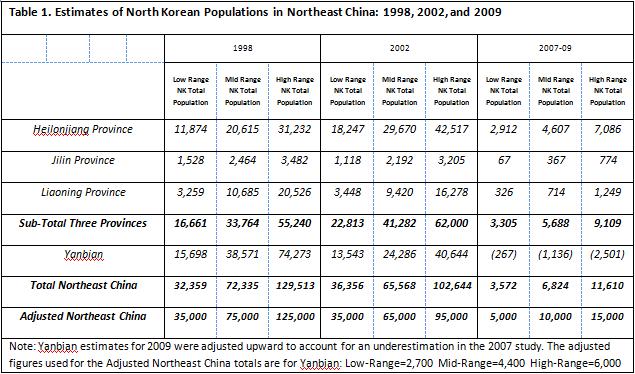
Courtland Robinson, Assistant Professor at the Center for Refugee and Disaster Response at the John Hopkins Bloomberg School of Public Health, writes “It is my view that migration, in and of itself, is not likely to bring about regime collapse or change, but it can serve either as a catalyst to unification or as a hindrance, depending on how it is “managed.” I put that word in quotes because much that passes for migration management is more a matter of mismanagement, further reinforcing the view that migration will seek its own terms despite (and often in reaction to) the policies and programs that seek to regulate it.”
Go to the article

Jeffrey Lewis, Director of the Nuclear Strategy and Nonproliferation Initiative at the New America Foundation, writes “Rather than focusing on extended deterrence and nuclear capabilities in particular, I would suggest we think about what might be called “extended defense”—what are the actual capabilities that the United States and its allies in Northeast Asia would procure and deploy to deal with the most urgent threats? These are increasingly missile defenses and antisubmarine warfare capabilities, not nuclear cruise missiles and bomber bases. The excessive focus on nuclear capabilities has stunted the US dialogue with its security partners in Northeast Asia, wrongly placing the emphasis on ephemeral capabilities that will necessarily evolve instead of shared interests and values that will endure.”
Go to the article

