Daily Report Archives
Established in December 1993, the Nautilus Institute’s *N*ortheast *A*sia *P*eace and *S*ecurity *N*etwork (NAPSNet) Daily Report served thousands of readers in more than forty countries, including policy makers, diplomats, aid organizations, scholars, donors, activists, students, and journalists.
The NAPSNet Daily Report aimed to serve a community of practitioners engaged in solving the complex security and sustainability issues in the region, especially those posed by the DPRK’s nuclear weapons program and the threat of nuclear war in the region. It was distributed by email rom 1993-1997, and went on-line in December 1997, which is when the archive on this site begins. The format at that time can be seen here.
However, for multiple reasons—the rise of instantaneous news services, the evolution of the North Korea and nuclear issues, the increasing demand for specialized and synthetic analysis of these and related issues, and the decline in donor support for NAPSNet—the Institute stopped producing the Daily Report news summary service as of December 17, 2010.
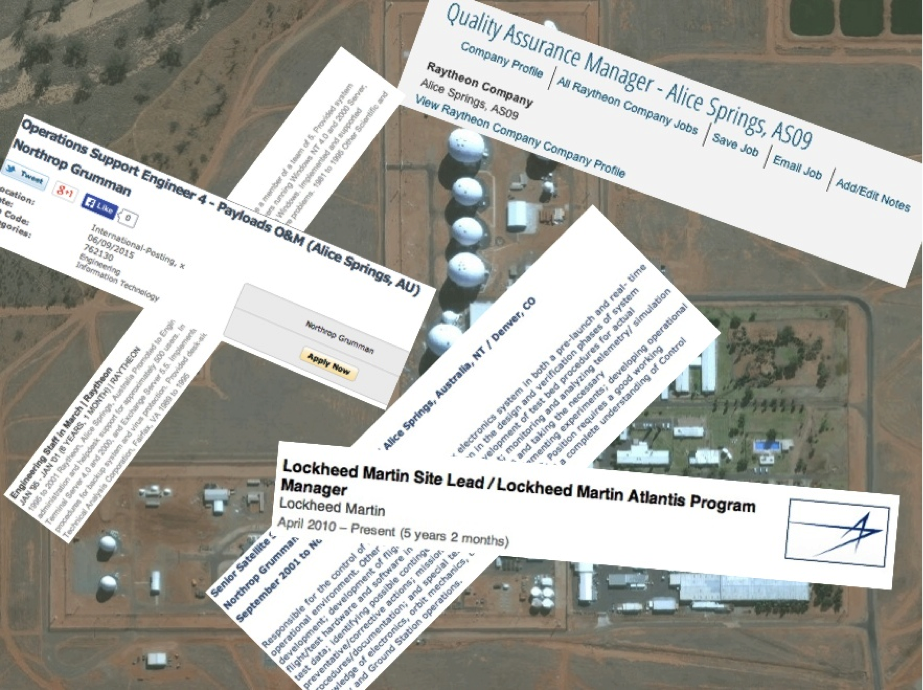
by Desmond Ball, Bill Robinson, Richard Tanter, and Philip Dorling 25 June 2015 The full PDF version of this report is available here I. Introduction The Joint Defence Facility Pine Gap, located just outside the town of Alice Springs in Central Australia and managed by the U.S. National Reconnaissance Office (NRO), is one of the largest […]
Go to the article
DETERRENCE: Cyber threats and the challenge of de-alerting US and Russian nuclear forces DPRK: North Korea drought ‘worst in a century’ GOVERNANCE AND CIVIL SOCIETY: South Korea axes four coal plants, plans two new nuclear units DETERRENCE: Cyber threats and the challenge of de-alerting US and Russian nuclear forces, Andrew Futter, NAPSNet Policy Forum (16 June 2015) Futter […]
Go to the article
Andrew Futter writes ‘A quarter of a century after the end of the Cold War, both the United States and Russia retain a significant number of nuclear weapons … capable of inflicting almost unimaginable damage, death and devastation.’
Futter argues that ‘the logic of de-alerting these nuclear forces and enhancing the safety and security of nuclear systems is becoming increasingly persuasive and urgent….. [T]his appears to be becoming particularly pronounced as we move into a era increasingly dominated by the threat of “cyber attacks”.’
Go to the article
DETERRENCE: US finds peeling back the Iran sanctions onion no easy task DPRK: Adherence to and compliance with arms control, nonproliferation and disarmament agreements and commitments GOVERNANCE AND CIVIL SOCIETY: Seoul gay pride organizers vow to defy police ban CLIMATE CHANGE ADAPTATION: Sendai framework for disaster risk reduction 2015-2030 AUSTRAL PEACE AND SECURITY: Iraq: an avoidable catastrophe? DETERRENCE: US finds peeling back […]
Go to the article

by Samantha Mella and Geoff James 8 June 2015 I. Introduction Samantha Mella and Geoff James write “The (Australian Energy) White Paper’s framework of competition, productivity and investment provides a good platform for discussion, but a number of important issues are not addressed. These include the development of Australia’s abundant renewable energy resources, the consideration […]
Go to the article

DETERRENCE: Prompt global strike: China and the spear DPRK: N. Korea mum on fresh U.S. dialogue offer: sources GOVERNANCE AND CIVIL SOCIETY: With rural Japan shrinking and aging, a small town seeks to stem the trend CLIMATE CHANGE ADAPTATION: Challenges of urban resilience in India AUSTRAL PEACE AND SECURITY: Spooks admit it in private: Snowden has made them rethink their methods […]
Go to the article

by Peter Hayes 1 June 2015 I. Introduction In this Policy Forum Peter Hayes writes that “reunification will become harder and increase in social, economic, and security cost the longer and deeper the DPRK develops nuclear weapons. The faster nuclear weapons are removed from the scene, the sooner reunification can commence at a cheaper cost, with […]
Go to the article
DETERRENCE: How Israel hid its secret nuclear weapons program DPRK: FKI plans new liaison branch in Pyongyang GOVERNANCE AND CIVIL SOCIETY: Controversy follows as activists cross North-South Korean border CLIMATE CHANGE ADAPTATION: Australia and Climate Change Negotiations: at the Table, or on the Menu? CLIMATE CHANGE AND SECURITY: Climate change and security: here’s the analysis, when’s the action? DETERRENCE: How Israel […]
Go to the article
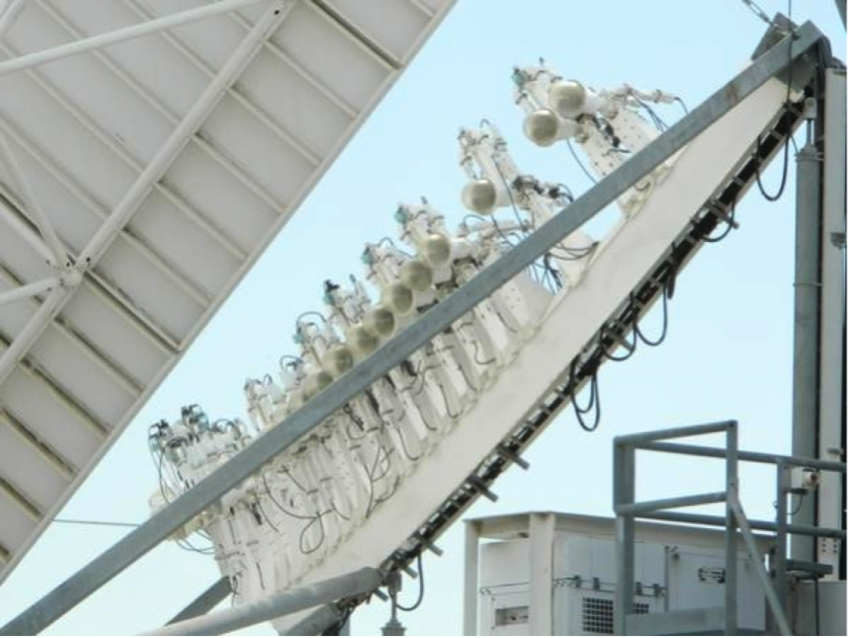
by Desmond Ball, Duncan Campbell, Bill Robinson and Richard Tanter 28 May 2015 The full report is available here. I. Introduction The recent expansion of FORNSAT/COMSAT (foreign satellite/communications satellite) interception by the UKUSA or Five Eyes (FVEY) partners has involved the installation over the past eight years of multiple advanced quasi-parabolic multi-beam antennas, known as Torus, […]
Go to the article
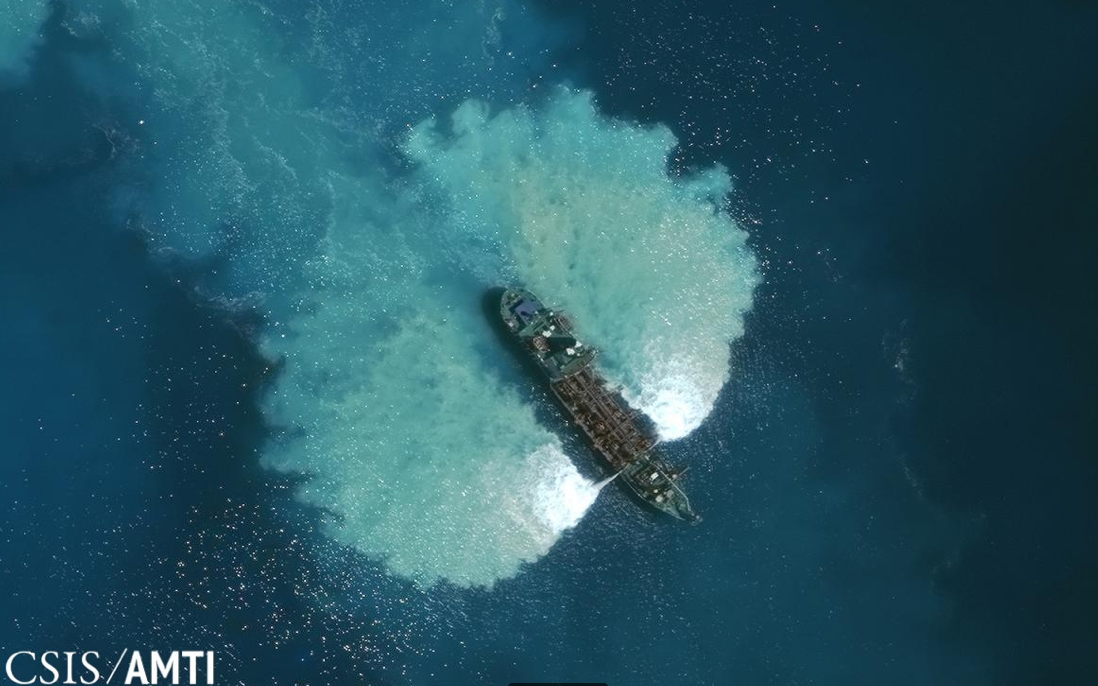
DETERRENCE: Pentagon report: China deploys MIRV missile DPRK: South announces new aid for North GOVERNANCE AND CIVIL SOCIETY: South Korea: Sentenced to life: Conscientious objectors in South Korea CLIMATE CHANGE ADAPTATION: Human cost of natural disasters: a global perspective AUSTRAL PEACE AND SECURITY: B-1 bombers brouhaha: minor dispute, big rift DETERRENCE: Pentagon report: China deploys MIRV missile, Hans Kristensen, FAS Blog […]
Go to the article

