Daily Report Archives
Established in December 1993, the Nautilus Institute’s *N*ortheast *A*sia *P*eace and *S*ecurity *N*etwork (NAPSNet) Daily Report served thousands of readers in more than forty countries, including policy makers, diplomats, aid organizations, scholars, donors, activists, students, and journalists.
The NAPSNet Daily Report aimed to serve a community of practitioners engaged in solving the complex security and sustainability issues in the region, especially those posed by the DPRK’s nuclear weapons program and the threat of nuclear war in the region. It was distributed by email rom 1993-1997, and went on-line in December 1997, which is when the archive on this site begins. The format at that time can be seen here.
However, for multiple reasons—the rise of instantaneous news services, the evolution of the North Korea and nuclear issues, the increasing demand for specialized and synthetic analysis of these and related issues, and the decline in donor support for NAPSNet—the Institute stopped producing the Daily Report news summary service as of December 17, 2010.
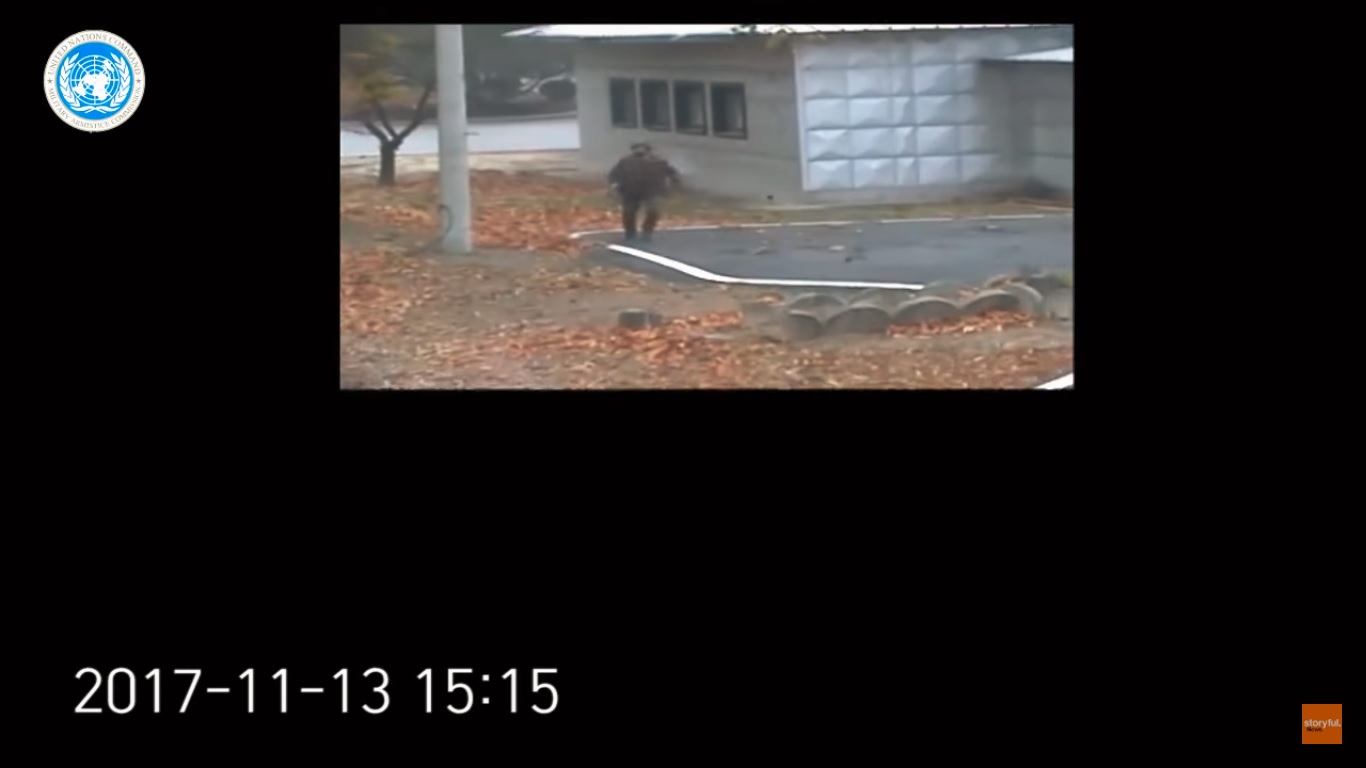
PETER HAYES FEBRUARY 13, 2018 I. INTRODUCTION In this essay, Peter Hayes argues: “In short, sudden surprise events, the use of weapons, and subsequent escalation remain all too possible at the JSA. It is essential that the tension be reduced and underlying conditions that lead to defections be addressed while the Korean conflict is resolved […]
Go to the article
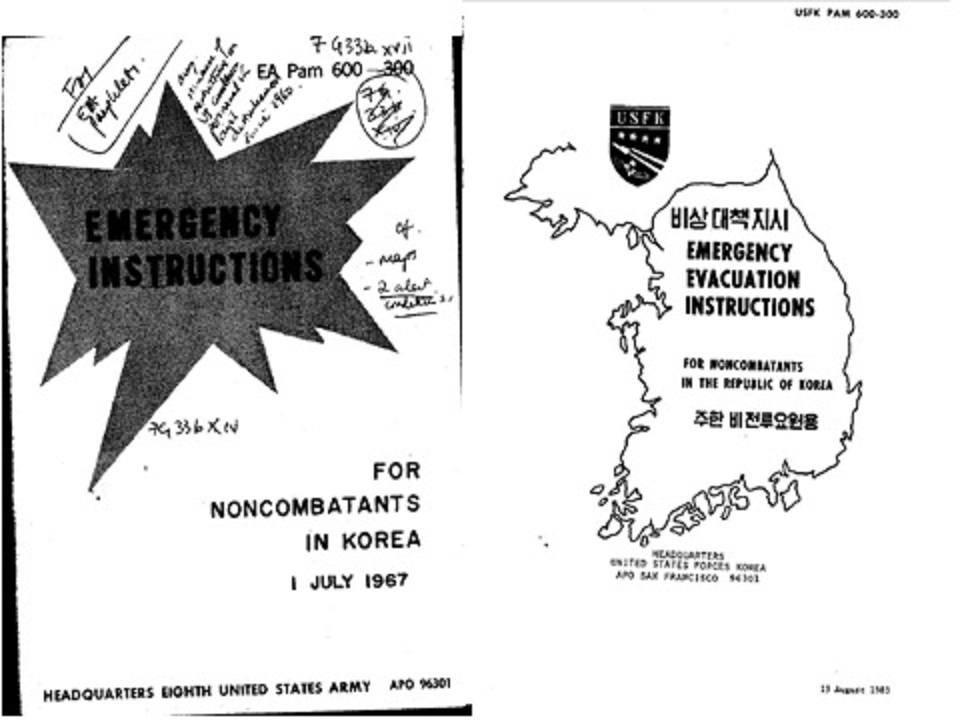
PETER HAYES FEBRUARY 8, 2018 I. INTRODUCTION In this essay, Peter Hayes describes US Force Korea’s “NONCOMBATANT EMERGENCY EVACUATION INSTRUCTIONS” issued in 1967, 1983, and 2010. He concludes that: “These documents provide a realistic sense of the demanding, time consuming, and complicated task of evacuating noncombatants from Korea, and suggest it would be difficult […]
Go to the article
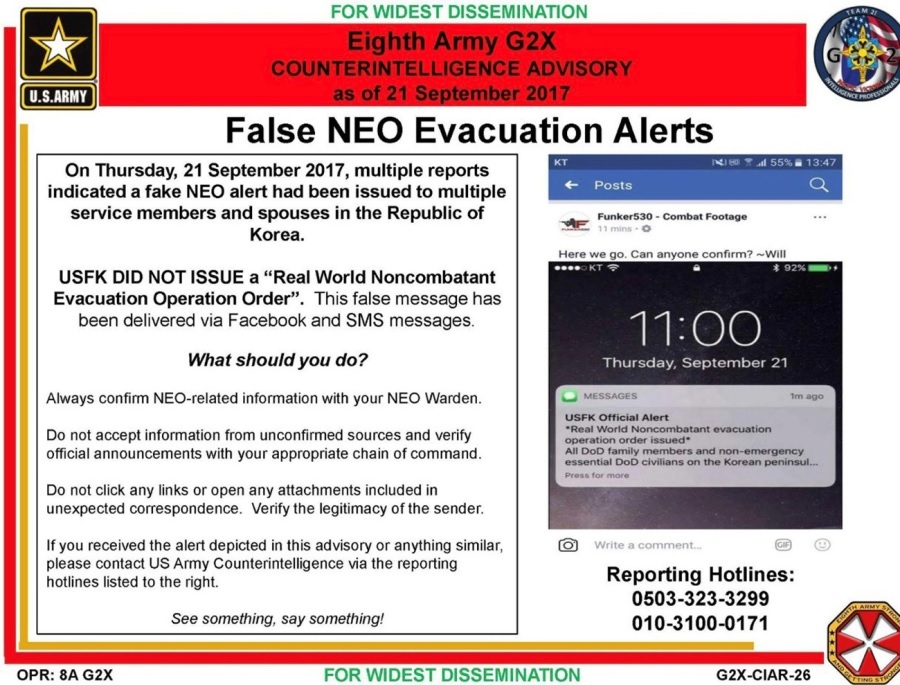
PETER HAYES FEBRUARY 1, 2018 I. INTRODUCTION In this essay, Peter Hayes concludes that: “Some form of independent, impartial, and pre-existing global early warning system may be useful to all nuclear armed states to provide a supplementary way to check not only the truth content of these alerts and social media storms, but the […]
Go to the article
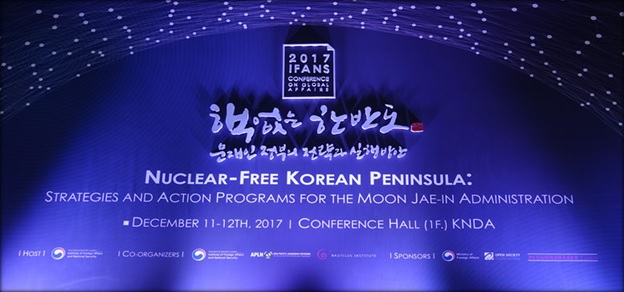
PETER HAYES AND BINOY KAMPMARK JANUARY 25, 2018 I. INTRODUCTION In this synthesis report, Peter Hayes and Binoy Kampmark summarize and assess deliberations between policymakers, analysts and experts on the subject of a future nuclear-free Korean Peninsula at the Korean National Diplomatic Academy (KNDA), Seoul, the Republic of Korea (ROK), on December 11 and 12, […]
Go to the article

PETER HAYES JANUARY 18, 2018 I. INTRODUCTION In this essay, Peter Hayes concludes that: “Each nuclear armed state will make its moves in response to the posited terrorist nuclear attack partly in response to its expectations as to how other nuclear armed states will perceive and respond to these moves—and considered together, it is obvious […]
Go to the article
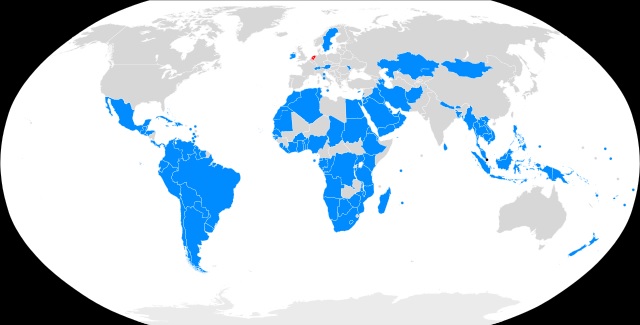
RAMESH THAKUR JANUARY 9, 2018 I. INTRODUCTION In this essay, Ramesh Thakur notes that “in 50 years, not one nuclear warhead has been eliminated as the result of a bilateral or multilateral agreement concluded under the NPT’s authority. This proven ineffectiveness has discredited the NPT as the sole disarmament framework and fed the exasperation behind […]
Go to the article
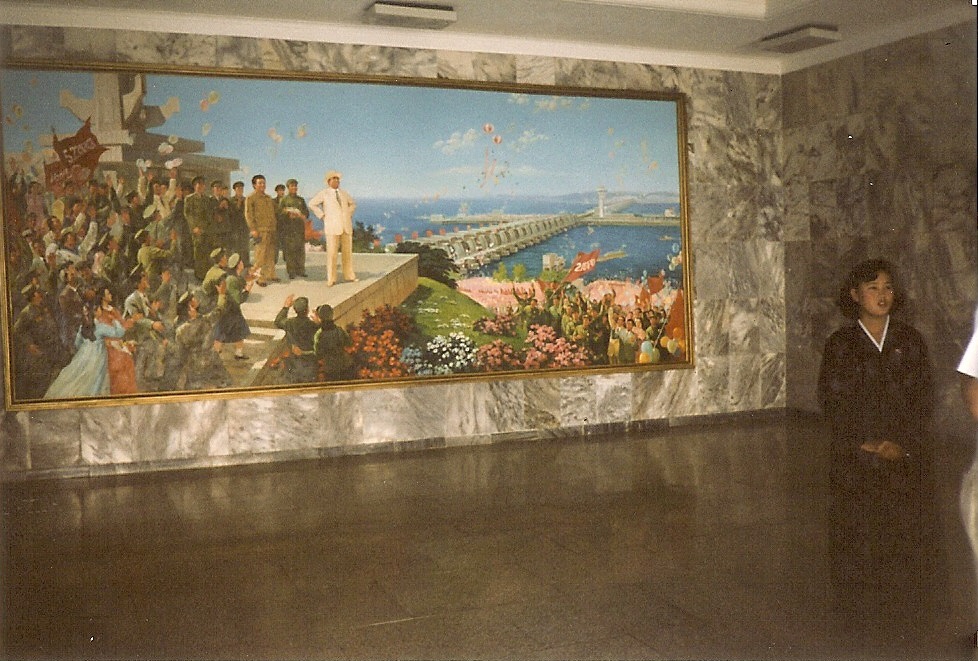
DAVID VON HIPPEL AND PETER HAYES JANUARY 3, 2018 I. INTRODUCTION In this essay, David von Hippel and Peter Hayes conclude that: “A package of such engagement measures, starting small and building as agreements on nuclear weapons security issues are made and implemented, should be a key component of negotiations toward settlement of the DPRK […]
Go to the article
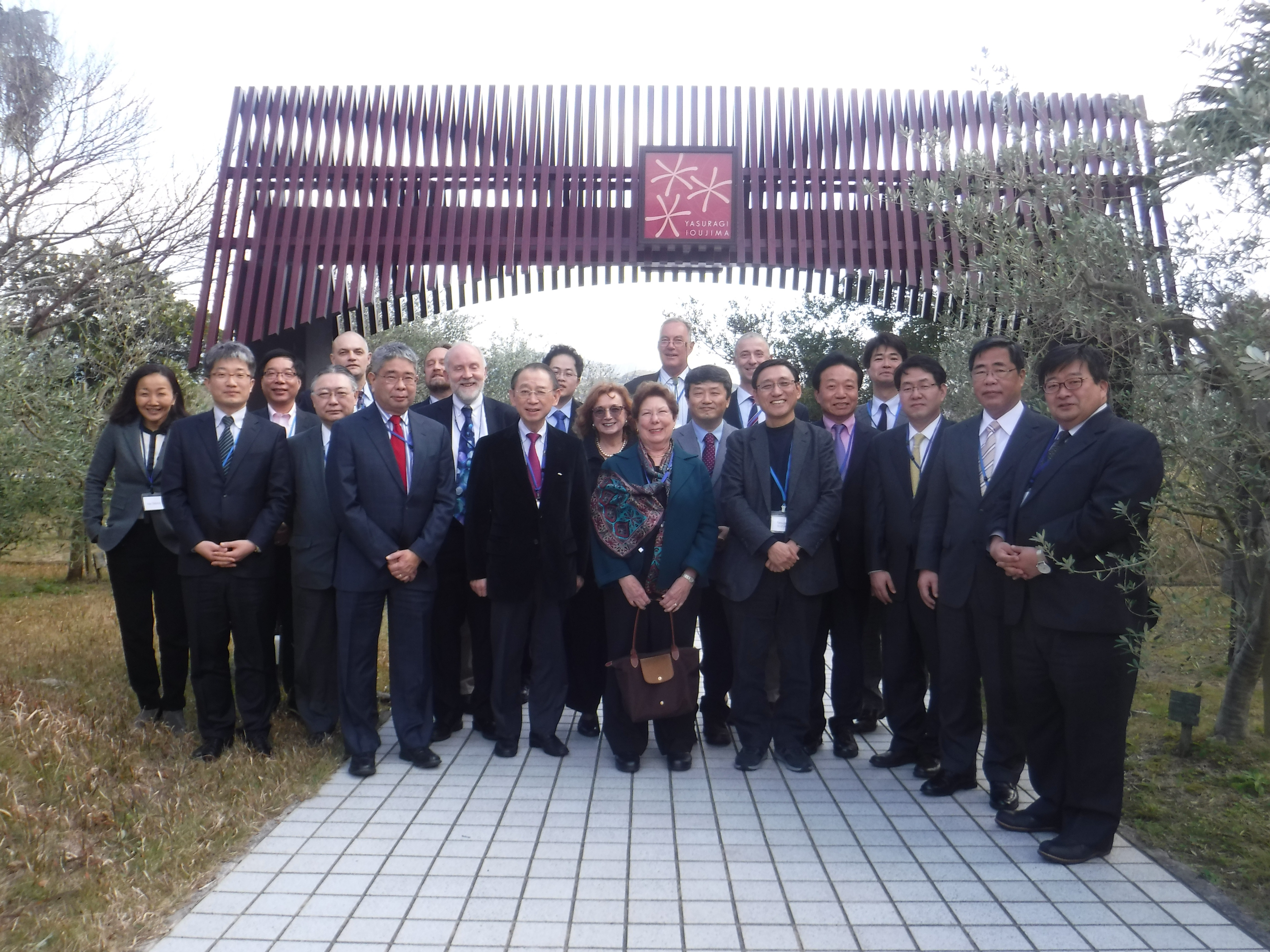
FUMIHIKO YOSHIDA AND TATSUJIRO SUZUKI DECEMBER 28, 2017 I. INTRODUCTION In this essay, Fumihiko Yoshida and Tatsujiro Suzuki conclude that: “nuclear weapon states and nuclear-umbrella states which own spent nuclear fuel must face the risk of possible military attack (or terrorism) on spent fuel. For those who depend on nuclear deterrence, confronting such spent […]
Go to the article
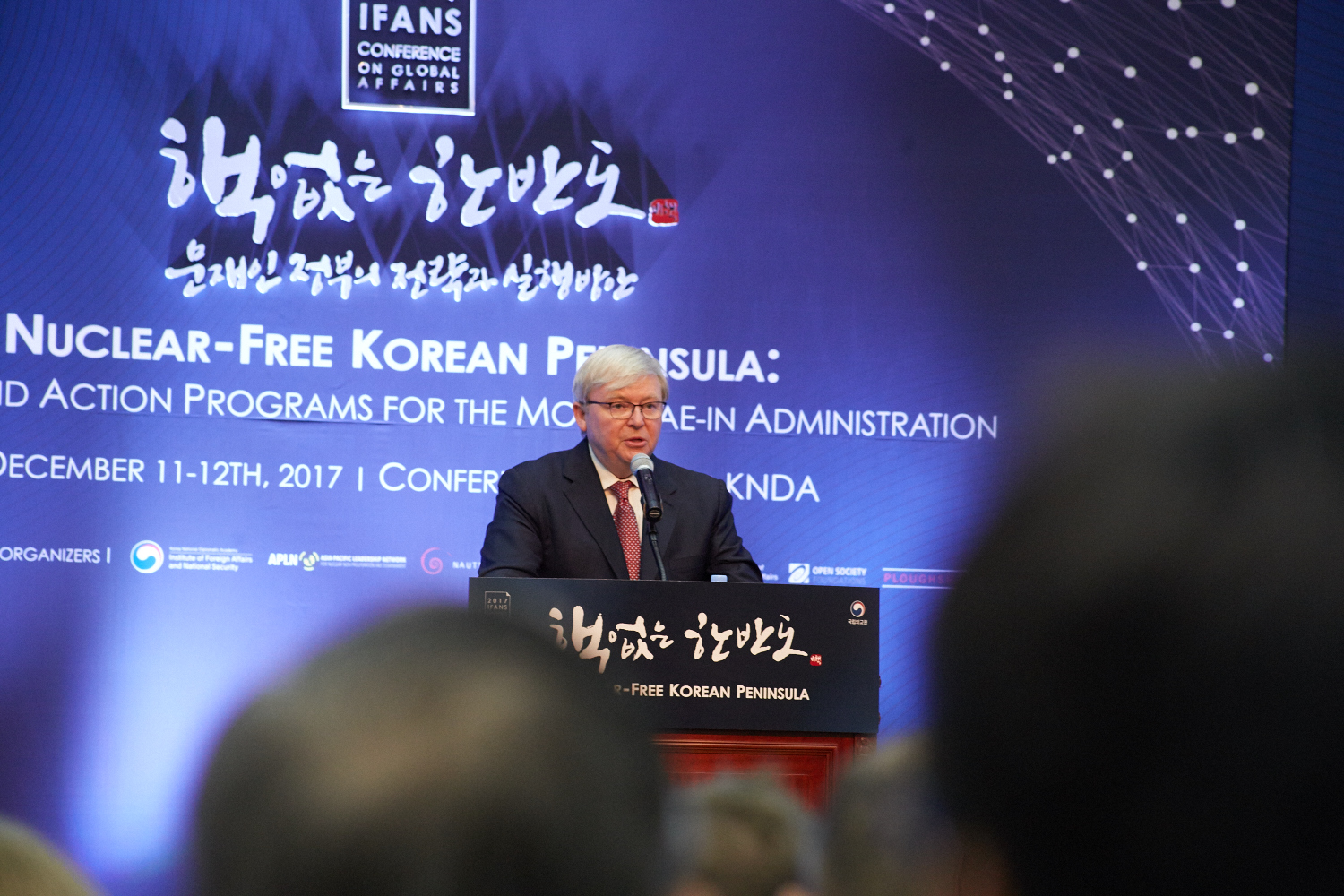
KEVIN RUDD DECEMBER 21, 2017 I. INTRODUCTION In this essay, Kevin Rudd argues: “Diplomacy will be essential to avoid sleepwalking into war in Northeast Asia, and to achieve the denuclearization of the Korean Peninsula. The key objective is to preserve peace and prosperity in the region. Armed conflict on the Korean Peninsula is an increasing possibility – […]
Go to the article

READING KIM JONG UN’S LIPS: WHAT IS HIS PLAYBOOK AND INTENTION WITH NUCLEAR WEAPONS? PATRICK MCEACHERN DECEMBER 20 2017 I. INTRODUCTION In this essay, Patrick McEachern argues: “Unlike his father and grandfather, Kim Jong Un began his reign with an unambiguous and tested first generation nuclear weapons capability. Contrary voices publicly articulating the trade-offs associated […]
Go to the article

