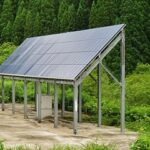
In this paper, we describe the DPRK energy economy, including a description of recent trends in DPRK energy supply and demand. We then summarize the DPRK’s energy security situation and energy sector needs, along with a brief description of potential regional/international cooperation options for providing energy sector development assistance to DPRK. These options include conventional energy, energy efficiency, and renewable energy. They are followed with more general approaches to engagement and an example “package” of cooperation measures. These non-nuclear options are benchmarked to a quantitative estimate of the net present value of the two light water reactors that were to be provided in the US-DPRK Agreed Framework but never completed, as a reasonable benchmark, followed by a review of the DPRK nuclear energy sector and related potential cooperation options and issues related to the DPRK domestic pilot light water reactor and enrichment programs. We conclude by highlighting key insights and opportunities for increasing the DPRK’s energy security in the context of regional energy development in which all states have a stake.